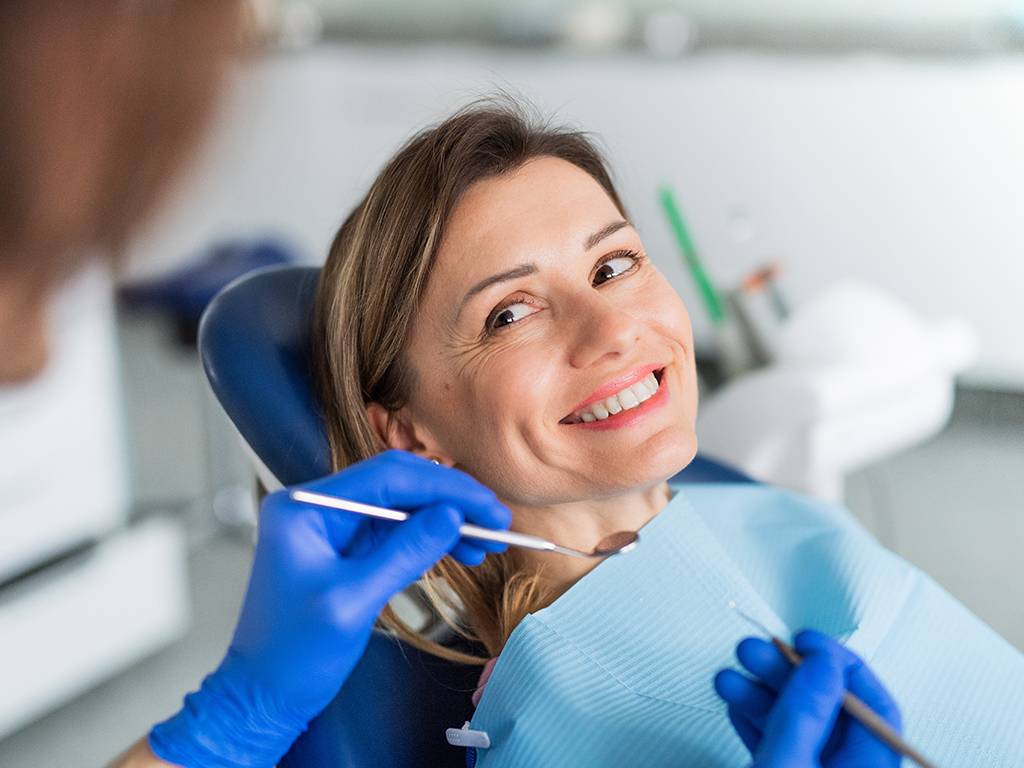
What Should You Expect After a Tooth Extraction?

At Dental Care of Madison, we strive to save a painful or damaged tooth whenever possible, helping restore its appearance and function. However, there are times when extracting a tooth is necessary to relieve pain, keep an infection from spreading, prevent damage to neighboring teeth, or avoid complications. The good news is that today's modern technology, anesthetics, and sedation dentistry options help enhance your care and overall patient experience. Our team never spares any effort to ensure you are as comfortable as possible at every step.
Why Would You Need to Have a Tooth Extracted?
The following are some reasons your Madison dentist may recommend tooth extraction:
- Severe Tooth Decay: Left untreated, deep decay can damage a tooth beyond repair with a dental filling, crown, or root canal therapy, necessitating its extraction.
- Dental Trauma: A tooth that has been severely fractured or damaged due to an injury may not be restorable and may need to be extracted.
- Infection: When a tooth infection is extensive and cannot be effectively treated with root canal therapy, extracting it may be necessary to protect your health.
- Advanced Periodontal (Gum) Disease: Advanced periodontal disease can damage the bone and tissue supporting a tooth, causing it to become loose and potentially requiring removal.
- Problematic Wisdom Teeth: Wisdom teeth are notorious for developing problems, including being impacted or trapped beneath the gums or failing to erupt properly, which can lead to pain, infection, crowding, and damage to the neighboring teeth.
- Overcrowding: In some cases, we may need to remove one or more teeth to create space for orthodontic treatment and allow the remaining teeth to move into their proper alignment.
What Happens During a Tooth Extraction?
We'll start with a thorough examination and take digital X-rays to evaluate the affected tooth and surrounding structures. We'll go over your treatment plan, answer any questions you may have, and discuss ways to ensure you're comfortable during your visit. Your peace of mind is important to us.
Before your tooth extraction, we will administer a local anesthetic to numb the area for your comfort. If you have dental anxiety or are undergoing a more complex extraction procedure, sedation dentistry can help you feel more at ease. Once the area is numb and you are comfortable, your Madison dentist will carefully remove the affected tooth while ensuring minimal trauma to the surrounding tissues. Most patients find the procedure more manageable than they expected.
What Happens in the First Few Hours?
Right after your tooth extraction, we will place a gauze pad over the socket and ask you to bite down firmly on it. This pressure helps a blood clot form, which is key to healing. Keep the gauze in place for about 30 to 45 minutes, and if bleeding continues after you remove it, replace it with a fresh piece and maintain pressure for another 30 minutes. Some oozing is normal for the first several hours. Bright red bleeding that doesn't slow down is not, and you should contact us if that happens.
The local anesthetic will start wearing off within a few hours, and you may experience soreness in the area. Take over-the-counter or pain medication or any prescription we provide before the numbness fully fades, rather than waiting for discomfort to set in. Our team will provide you with care instructions, so make sure you follow them closely.
What Can You Expect During the First Few Days?
There are several things you can expect to experience in the 24 to 72 hours following your extraction, and most of them are a normal part of the healing process:
- Swelling: You can expect some swelling around your jaw and cheek, which often peaks around day two or three before beginning to improve. Apply an ice pack to your cheek in 20-minute intervals during the first 24 hours to help minimize swelling.
- Bruising: Discoloration around the jaw or cheek is not unusual, especially after a more involved extraction. It is no cause for alarm and should fade on its own over the course of a week or so.
- Jaw Stiffness: Difficulty opening your mouth wide is common and usually resolves as the swelling decreases. Gentle jaw stretches after the first couple of days can help.
- A Mild Earache or Sore Throat: The muscles and tissues around the extraction site are interconnected. That’s why many patients experience referred discomfort that mimics a mild earache or sore throat.
How Do You Prevent Dry Socket?
After a tooth is extracted, a blood clot will begin to form in the socket, allowing the bone and tissue beneath to heal properly. Dislodging the clot prematurely can lead to a painful complication known as dry socket, which leaves the underlying bone exposed. To prevent accidentally dislodging the clot forming in the tooth's socket and to promote healing, avoid smoking, using a straw, rinsing forcefully, or touching the extraction site for at least 24 to 48 hours.
Dry socket typically develops 2 to 4 days after the procedure and produces a noticeable increase in discomfort that often radiates toward the ear. Call us immediately for prompt care.
What Should You Eat and Drink?
You'll need to stick to soft foods for the first few days. These include yogurt, mashed potatoes, scrambled eggs, smoothies (without a straw), and even warm soup broth. Avoid carbonated drinks and anything spicy, hot, crunchy, hard, or chewy during the first few days to prevent irritation of the extraction site. Carbonated beverages can also disturb the healing site, so stick to plain water in those first few days.
How Do You Keep the Area Clean?
Good oral hygiene does not stop because of an extraction. Continue brushing and flossing the other teeth as normal. Just avoid brushing directly around the extracted tooth for the first day or two. After the first 24 hours, start rinsing gently with lukewarm salt water several times a day, especially after meals. This helps keep the extraction site clean without disturbing the healing tissue.
Avoid using commercial mouthwash with alcohol during the first few days. If we have prescribed or recommended a specific rinse, use that according to the instructions we provide.
Avoid using commercial mouthwash with alcohol during the first few days. If we have prescribed or recommended a specific rinse, use that according to the instructions we provide.
When Should You Contact Your Madison Dentist?
Contact our team at Dental Care of Madison if you experience severe or worsening pain or swelling after the first two or three days, bleeding that does not slow, or fever or chills. We're also here for you if you have any questions or concerns as the area heals.
Why Consider Replacing an Extracted Tooth?
A gap left by a missing tooth can lead to the neighboring teeth shifting gradually toward the space over time, which can affect the alignment of your teeth and bite and can even lead to bone loss in the area. Our team at Dental Care of Madison may recommend replacing the missing tooth with a dental implant, a dental bridge, or a partial denture to restore your smile's function and appearance. We are happy to help you determine the ideal tooth replacement option based on your needs and preferences.
Tooth Extraction and Aftercare Near Me in Madison, MS
Following your post-operative directions and knowing what to expect in the first few days after
tooth extraction will promote healing and ensure a smoother recovery. Our team at
Dental Care of Madison will make sure you leave your appointment with clear instructions and answers to any questions you have. If you have any concerns during recovery, we are here for you. Call us at (601) 898-9390 to schedule your appointment or request one
online today!
Proudly serving patients in Madison, Gluckstadt, Ridgeland, Canton, and the surrounding communities.