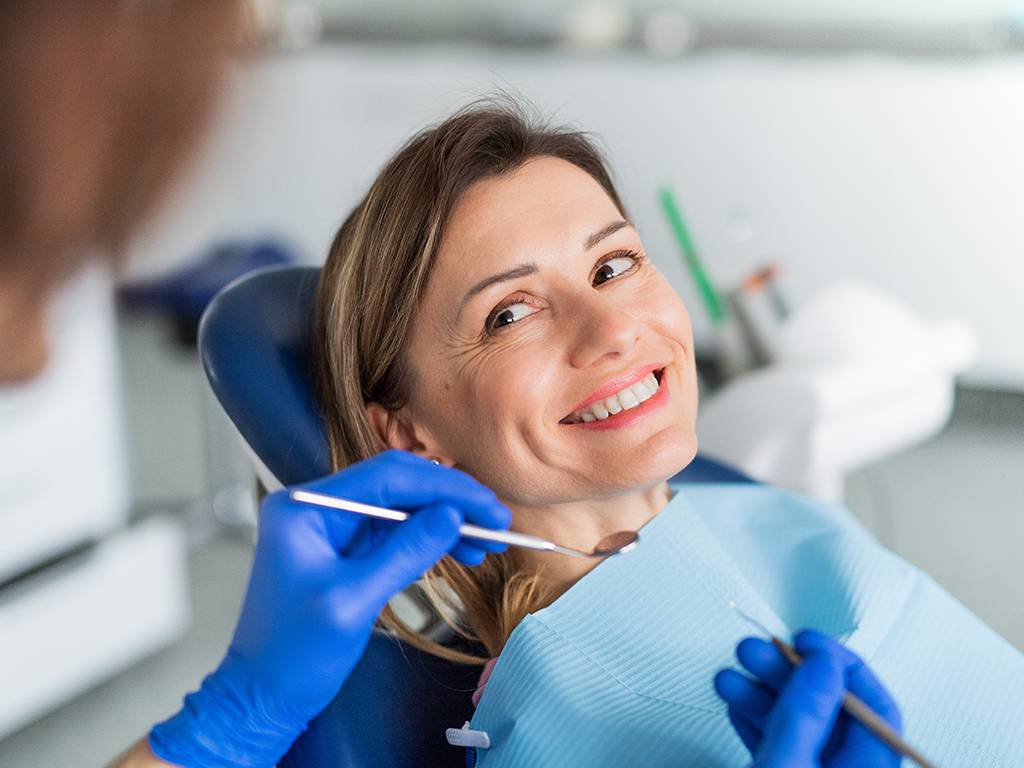
When Should You Call Your Emergency Dentist?

At Dental Care of Madison, we understand how stressful an unexpected toothache, dental injury, or other oral health concern can be. Our dedicated dentists and patient-centered team are pleased to offer same-day emergency dental appointments to relieve your discomfort, address infection, save damaged teeth whenever possible, and restore your smile's health and function. We strive to be here for you when you need us the most.
When Should You Seek Emergency Dental Care?
While not every concern requires immediate attention, there are some symptoms you should never ignore. A dental emergency typically involves severe pain, injury, infection, or any problem that puts your oral health at risk. Here are some signs that it's time to contact Dental Care of Madison for emergency care:
- Persistent or worsening tooth pain
- Swelling or tenderness around a tooth
- A pimple-like bump on the gums
- Swelling of the face, neck, or jaw
- A knocked-out, dislodged, or loose tooth
- A cracked, broken, or otherwise damaged tooth
- A lost or damaged crown or filling
- Persistent bleeding following an injury
If you're unsure whether your symptoms require immediate treatment, we encourage you to give us a call. We will help you decide whether you need prompt care or can safely wait until the next day or the next available appointment.
What Should You Do Before Your Emergency Dental Appointment?
If you experience a dental emergency, the first step is to call Dental Care of Madison to schedule an appointment. Meanwhile, the following are some things you can do before seeing our emergency dentist:
For a Severe Toothache: Rinse with warm water to clean the area, floss around the affected tooth gently to remove any trapped food particles that may be causing your pain, and take an over-the-counter pain reliever as directed. Avoid placing aspirin directly on your painful tooth or surrounding gums, which can lead to chemical burns and damage.
For a Knocked-Out Permanent Tooth: Pick up the tooth by its crown, avoiding the root, and rinse it gently without scrubbing if it's dirty. If possible, return the tooth to its socket without forcing it, or place it in some milk or saliva to keep it moist and bring it to your emergency appointment. Never attempt to reinsert a knocked-out baby tooth.
For a Cracked or Broken Tooth: Rinse your mouth gently with lukewarm water, avoid chewing on the affected side, and apply cold compresses to relieve any swelling. Store any broken pieces of the tooth in some milk or saliva and bring them to your appointment.
For a Lost Crown or Filling: Keep the affected area clean and avoid chewing hard or sticky foods. If you've lost a crown, bring it with you to your appointment. Temporary dental cement may help protect the exposed area until we can provide treatment. Never use household glue to keep a restoration in place.
For a Soft Tissue Injury: Apply gentle, firm pressure to help control bleeding. If the bleeding is severe or refuses to stop, seek emergency medical attention.
When Should You Go to the ER Instead?
While most dental emergencies are best handled by your Madison dentist, some situations are considered medical emergencies. Head to your nearest hospital emergency room or call 911 if a dental injury involves life-threatening symptoms, serious facial trauma, or complications that extend beyond the teeth and gums.
Make sure to seek emergency medical care if you experience the following:
Difficulty Breathing or Swallowing: Severe swelling of the face, jaw, or neck accompanied by difficulty breathing or swallowing requires emergency medical care.
Serious Head or Facial Injury: If a dental injury occurs alongside loss of consciousness, dizziness, confusion, vomiting, or other signs of head trauma, seek emergency medical care.
Heavy Bleeding: If bleeding from the mouth does not stop with firm, gentle pressure, head to your nearest hospital emergency room.
Jaw Fracture: A visibly displaced jaw or severe pain following facial trauma may indicate a jaw fracture that requires emergency care.
Spreading Swelling or Infection: Facial swelling that spreads or worsens, or is accompanied by fever or difficulty swallowing, may be signs of a serious infection requiring emergency medical care.
If a problem is limited to a tooth, such as a severe toothache, broken tooth, knocked-out permanent tooth, or damaged filling, seeing an emergency dentist is usually your best choice. Our team at Dental Care of Madison will evaluate your concerns and recommend the most conservative solutions to relieve your discomfort and preserve a natural tooth whenever possible.
How Can You Lower Your Risk of Dental Emergencies?
The following are some ways to lower the risk of dental emergencies:
Brush and Floss Regularly: Good oral hygiene habits, including daily brushing and flossing, can lower your risk of dental disease and help keep dental emergencies at bay.
Avoid Hard Foods or Using Your Teeth as Tools: Biting down on ice or hard candies or using your teeth to crack open nuts can lead to tooth chips or fractures that require emergency care.
Wear a Night Splint: If you grind and clench your teeth in your sleep (bruxism), a custom night splint can reduce your risk of uneven tooth wear or fracture, as well as jaw strain and discomfort.
Sports Mouthguard: If you are involved in contact or high-impact sports, a custom sports mouthguard can reduce your risk of tooth or soft-tissue injury, safeguarding your smile.
Visit Your Dentist: Keeping up with regular dental cleanings and examinations can help prevent dental problems from developing or worsening, reducing your risk of dental emergencies down the road.
Emergency Dentist Near Me in Madison, MS
If you or a loved one is experiencing a dental emergency, don't wait. Contact Dental Care of Madison to schedule an emergency appointment. Our experienced dentists and compassionate team are committed to providing patients in Madison, MS, and the surrounding communities with prompt, personalized emergency dental care to get your smile back on track as soon as possible. Call us at (601) 898-9390 to schedule your appointment or request one online today!
Proudly serving patients in Madison, Gluckstadt, Ridgeland, Canton, and the surrounding communities.